Planning your first New Zealand campervan trip is thrilling—but it comes with a unique set of logistical questions. The South Island offers freedom, but navigating the seasons, booking timelines, and camping types can feel overwhelming if you’ve never done it before. We know the South Island. Some of us on the Parker team were raised in Christchurch and others moved here from around the globe—making our team a mix of different people but with one major thing in common: the South Island is a great place to be. With this expert knowledge, we’re compiled the 12 most critical pieces of advice we give to every first-timer. Follow this guide to ensure your dream road trip is defined by breathtaking views, not last-minute stress.


New Zealand is a small market. If you are targeting the peak summer months (December–February), you should book your campervan 8 to 12 months in advance. For shoulder seasons (Mar–May, Sep–Nov), aim for 4–6 months out. Our Parker fleet is limited and go quickly during peak season, so secure it the moment your flights are confirmed.


Rethink your concept of distance. A journey that looks like two hours on a map might take four hours on New Zealand's winding, scenic roads (and you’ll stop every 15 minutes for photos!). Plan for an average of 200km per day, maximum. This gives you time to hike, explore the towns, and relax, which is the point of campervan travel in New Zealand.

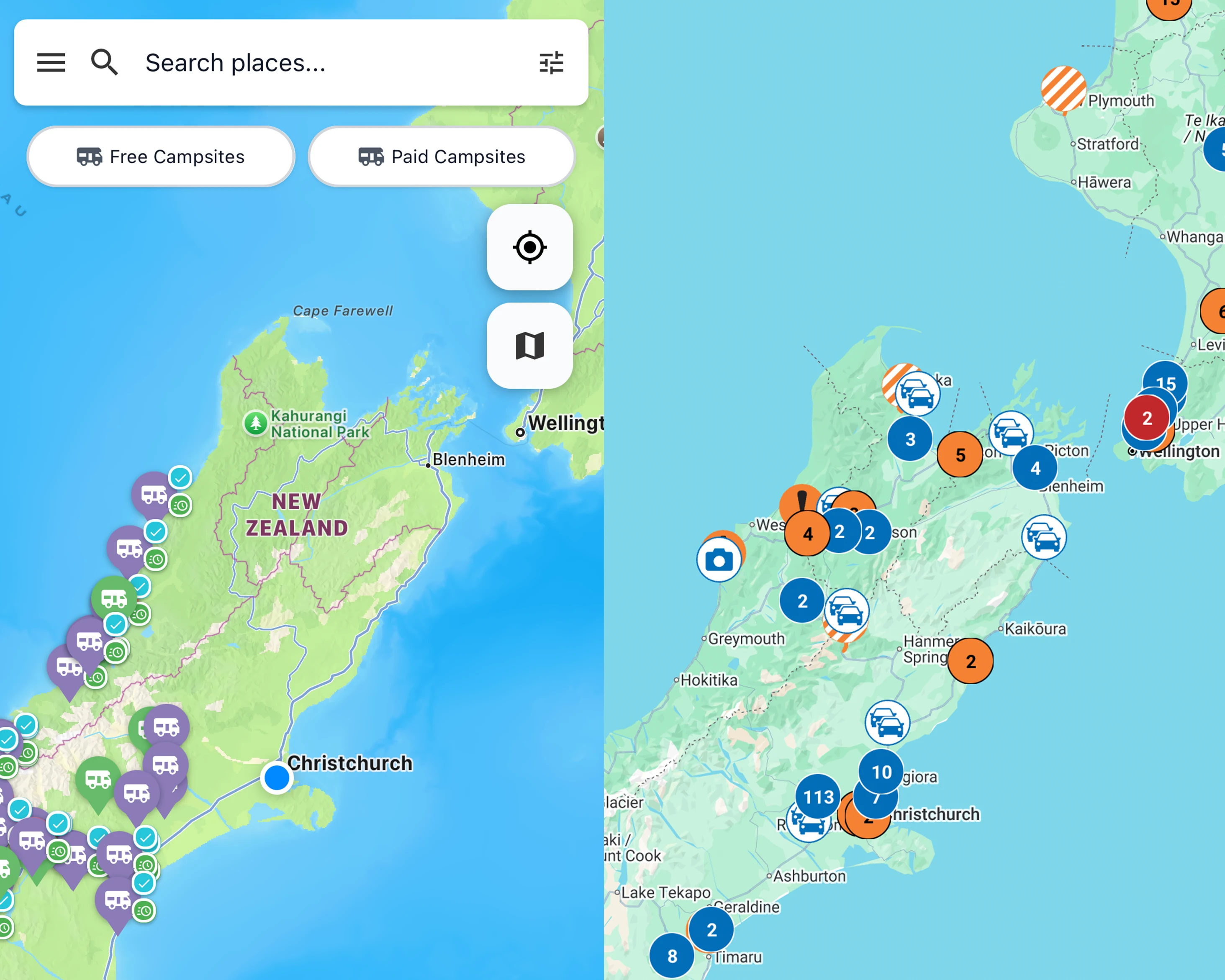
Navigation and staying legal is easy with a few key apps:
For a first-timer, handling a giant motorhome can be stressful on narrow roads. Parker Campers focuses on high-quality, modern, compact vans that handle like a large car but offer hotel comfort. All our vans are self-contained and have automatic transmission.

Your daily cost includes fuel, campsite fees, and activities.

We covered the full safety briefing in our dedicated guide, but these are the two non-negotiables:

New Zealand grocery stores (Countdown, New World) will have most everything you need. Don’t waste luggage space on food and instead focus on clothes, specialty gear like hiking boots, and personal electronics. Your Parker kitchen is fully stocked with cookware.

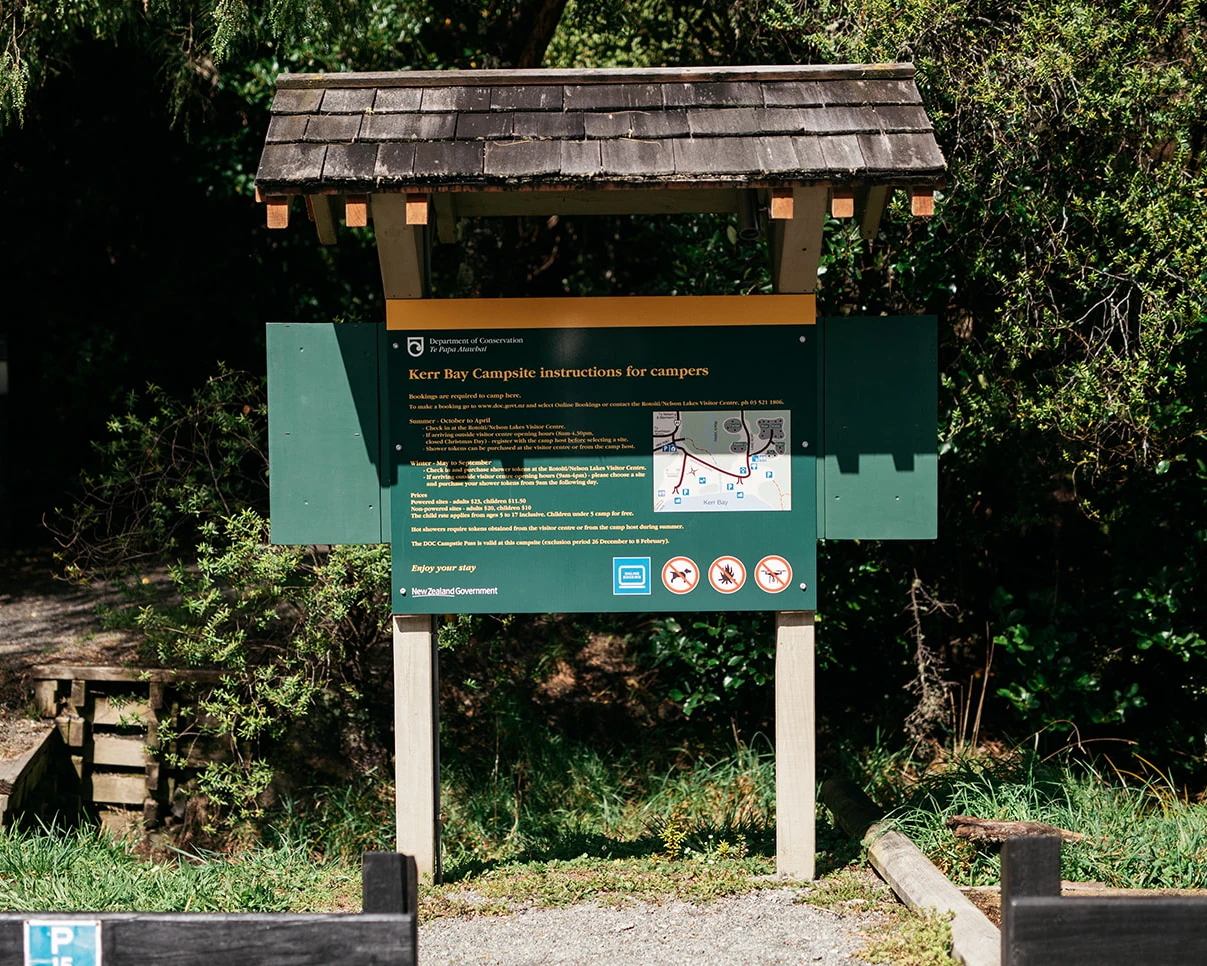
Freedom Camping—parking for free outside a designated campsite—is heavily regulated. Check local council websites or visit an i-Site for more information about a specific area, as each is different. Only park in areas marked specifically for Certified Self-Contained Vehicles. If your van is self-contained (all Parker campers are), always ensure you’re using the correct facilities. Fines for illegal camping are substantial.

Mobile phone service is surprisingly good on highways but can vanish in national parks, valleys, and mountain passes. Don't rely on it for navigation or emergencies in the back country. Download offline maps (Google Maps or Maps.me) before you leave town.

The best part of New Zealand campervan trips isn't the itinerary; it's the spontaneity. When you see a sign for a waterfall or a quiet beach, pull over. That’s the beauty of having your home with you.

Ready to start planning?
Check out our most popular itineraries here and book your Parker Camper here.